

Cataract symptoms, how can we detect them more quickly?

Relationship Between Aging and Eye Health
Just as our body ages together as we get older, our eyes, one of our body’s organs, also undergo changes. In this process, presbyopia occurs and vision may decline or cataracts may develop. In particular, cataracts are known as one of the ophthalmological diseases that can appear due to aging. The timing of cataract treatment is determined according to the degree of discomfort actually experienced by the patient, examination, and the medical staff’s judgment. Today, we will explore cataract symptoms, treatment methods, and who should receive surgery.
Main Signs of Lens Opacity

There is a transparent lens inside the eye. Through this lens, images are formed on the retina so we can see objects clearly, and when this becomes cloudy, it is called a cataract. When cataracts occur, the light entering through the lens is blocked or scattering occurs where it deviates from its original path, preventing it from properly reaching the retina. This causes the field of vision to appear cloudy like fogged-up glass.
In addition, glare symptoms occur during the day, and depending on the degree of cataract symptom progression, vision may be better in dark places or at night than during the day or in bright places. Also, sometimes symptoms of seeing double even when covering one eye (monocular diplopia) may appear.
Characteristics by Cataract Progression Stage
Since cataracts progress at different speeds for each person, cataract symptoms also differ from person to person. In the early stages, it starts with a slight blurring of vision, but as it gradually progresses, color perception may be distorted or extreme glare may be experienced in bright places.
When entering the middle stage, it causes considerable disruption to daily life, and activities such as reading or driving become difficult. In the late stage, vision deteriorates seriously and daily life may become almost impossible. Therefore, if such suspicious symptoms appear among those over 40 years old, it is important to visit a hospital without delay to receive accurate examination and treatment.

Criteria for Patients Requiring Surgery
Cataract treatment is a procedure that replaces one’s own lens that has become opaque with an intraocular lens (a lens that can substitute for the role of the lens). Since cataracts directly affect vision and eye health, fast and appropriate treatment is necessary. Those over 40 years old who have presbyopia or cataract symptoms, those who use their eyes a lot due to a large amount of close-range work, and those with many outdoor activities are all included as treatment candidates.
Surgery shows higher satisfaction when performed when the patient feels the most discomfort, and the appropriate timing is determined by considering various factors such as the patient’s degree of discomfort, results of about 40 tests, and medical staff’s examination. It is common to consider surgery when vision drops below 0.5 or when there is significant disruption to daily life.
Considerations When Selecting a Medical Institution
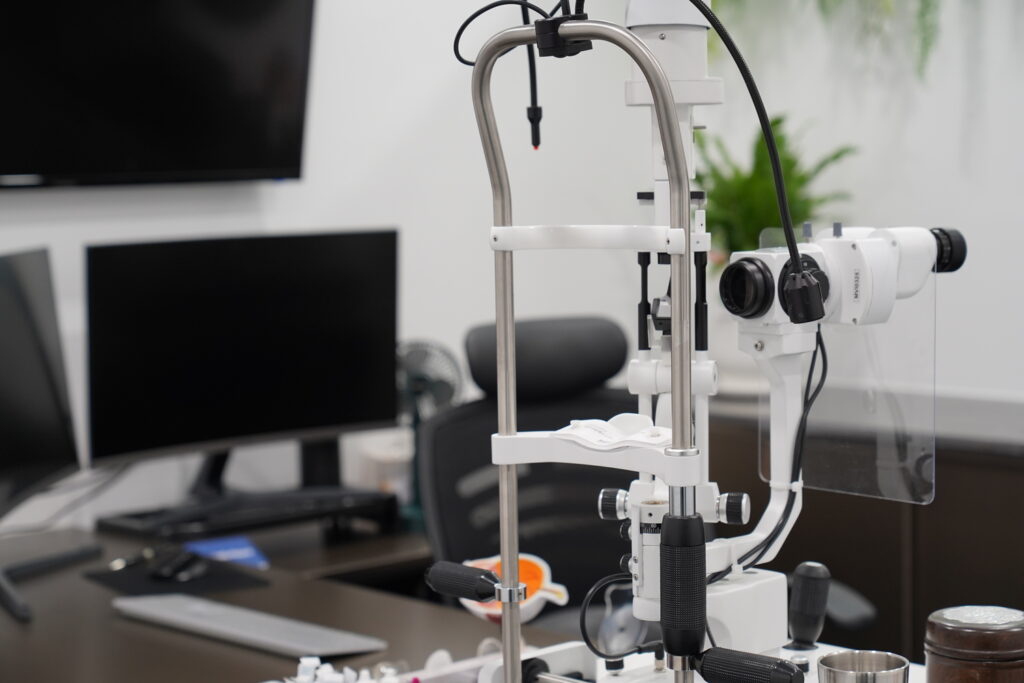
For medical institutions, it is important to choose a place where 1:1 customized treatment is provided through equipment that enhances the accuracy and safety of the procedure, skilled medical staff, and thorough precise examinations, rather than just considering surgery costs or price discounts. Also, whether medical staff specializing in cataracts meticulously conduct all stages from examination, surgery, to post-surgery care is extremely important.
You should confirm the performance of examination equipment, the medical staff’s career in the cataract field, actual number of procedures performed, and whether a response system for complications is established. Whether the medical staff allocates sufficient time for explanation during consultation is also an important judgment criterion. Reviews from patients who have actually received the procedure are also worth referring to, and it is good to look for honest experiences on Naver blogs or various communities, not just looking at posts on medical institution websites.
Importance of Intraocular Lens Selection
As it is an important procedure that artificially replaces a part of the body and can only be performed once in a lifetime, selecting a 1:1 customized intraocular lens tailored to one’s lifestyle before surgery is very important. Intraocular lenses are divided into monofocal and multifocal, each with their own characteristics.
Monofocal intraocular lenses focus on only one distance, so wearing glasses may be necessary after surgery. On the other hand, multifocal intraocular lenses focus on multiple distances, providing clear vision without glasses, and can also correct presbyopia and vision, increasing patient satisfaction.
When selecting an intraocular lens, you should not only consider the clarity of vision but also sufficiently consider the patient’s eye condition and lifestyle to improve both vision and quality of life. It is desirable to recommend surgery only to those who truly need cataract symptom treatment, considering examination results and the patient’s subjective factors, and a more accurate and safe approach should be taken for proper surgery.
Since this is a matter of eye health that will be used for a lifetime, rather than consulting only one or two places and making an immediate decision, a process of visiting at least 3-4 places and comparing is necessary. Even if it takes time and effort, choosing after sufficient research is the way to avoid future regrets.
If you would like to know more about cataract surgery, please visit our website!
https://www.gseyecenter.com/pres/02/