

What is the corneal thickness suitable for SMILE LASIK?
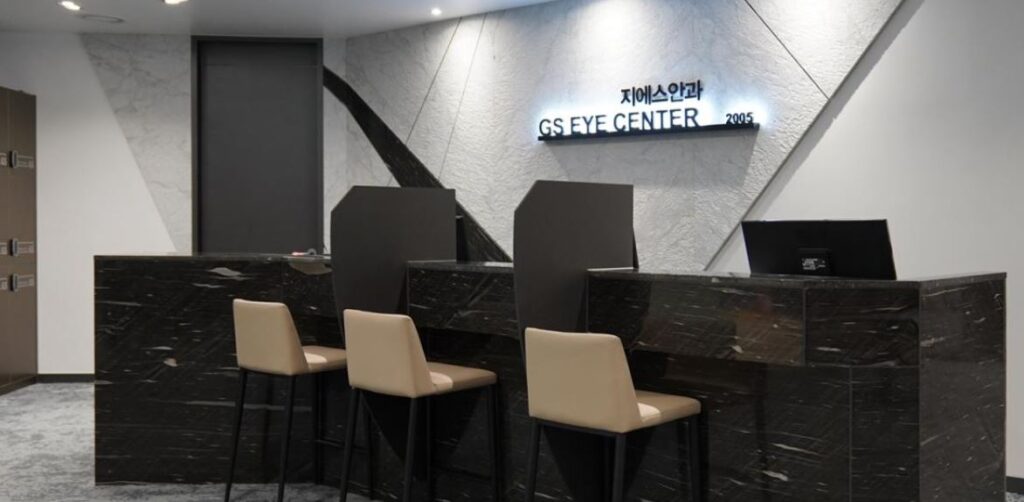
Vision Correction Surgery and Corneal Conditions
SMILE LASIK is one of the vision improvement methods receiving attention from many patients due to its short procedure time and rapid recovery. It is highly preferred by busy modern people as face washing is possible from the day after the procedure and return to daily activities is possible. However, not everyone can receive this method, and especially SMILE LASIK corneal thickness conditions must be met. Today, we will look at corneal thickness and surgical feasibility.
Importance of Corneal Thickness Measurement
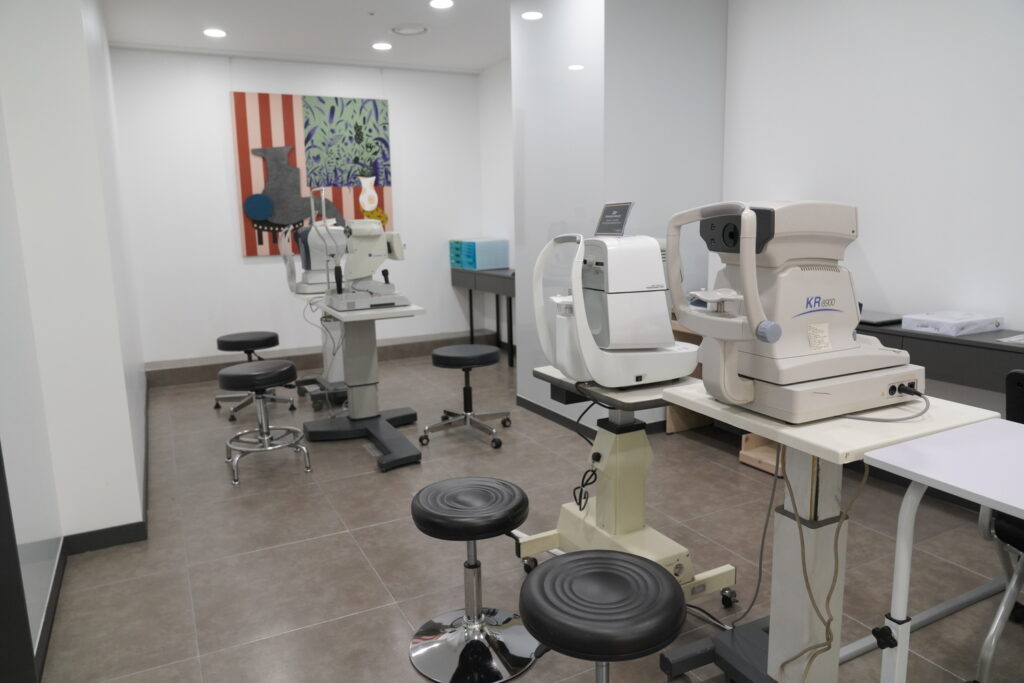
In vision correction surgery, corneal thickness is a very important factor. The corneal structure consists of several layers, and sufficient thickness must be secured because some corneal tissue is removed during the surgical process. This is because the remaining cornea after surgery must withstand intraocular pressure and maintain structural stability.
If SMILE LASIK corneal thickness is insufficient, serious problems such as keratoconus where the cornea protrudes forward or corneal ectasia can occur after surgery. Therefore, precise corneal thickness measurement before surgery is essential, and through this, surgical feasibility must be accurately determined.
Minimum Required Corneal Thickness Standard
Generally, the average corneal thickness of Koreans is about 520-550 micrometers. To receive vision correction surgery, it is known that the corneal thickness remaining after surgery should be at least 400 micrometers or more to be safe.
In the case of SMILE LASIK, the amount of corneal tissue that needs to be removed varies depending on the vision prescription to be corrected. The higher the myopia prescription, the more tissue must be removed, so corneal thickness before surgery becomes more important. Surgery is possible only when the value obtained by subtracting the amount of tissue to be removed from the corneal thickness before surgery is within the safe range.

Options for Thin Corneas
Even when SMILE LASIK corneal thickness is insufficient, there may be other alternatives. Since SMILE LASIK is a method that preserves the corneal surface, it uses relatively less cornea compared to LASIK. While LASIK consumes more tissue by creating a corneal flap, SMILE LASIK performs surgery with only a small incision, so even patients with thin corneas have a higher possibility of receiving surgery.
However, if the cornea is excessively thin or the myopia prescription is very high, laser vision correction surgery itself may be difficult. In such cases, other vision correction methods such as lens implantation surgery should be considered. Since lens implantation surgery inserts a lens inside the eye without shaving the cornea, surgery is possible regardless of corneal thickness.
Precise Examination Items and Process
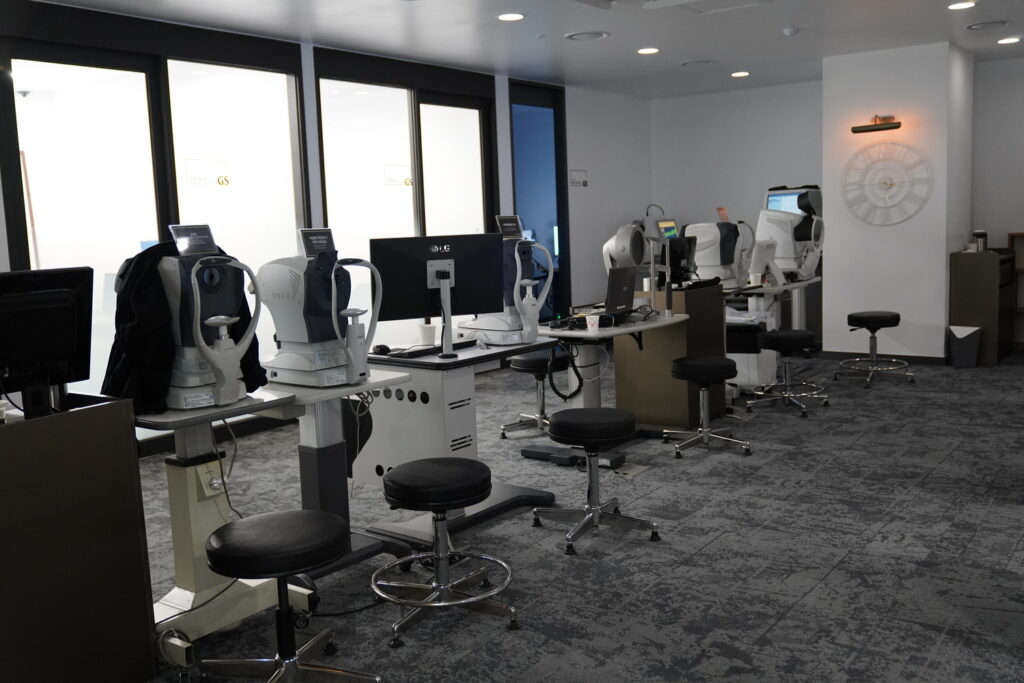
To accurately measure SMILE LASIK corneal thickness, various precise examinations are necessary. Through corneal topography examination, the shape and thickness distribution of the cornea are grasped in three dimensions, and through corneal tomography, the thickness of each layer of the cornea is precisely measured.
Additionally, corneal curvature examination, pupil size measurement, intraocular pressure examination, etc., are also performed together. Based on these comprehensive examination results, the patient’s corneal condition is accurately evaluated, and surgical feasibility and the most suitable surgical method are determined.
The examination usually takes about 1-2 hours, and if you wear contact lenses, you must stop wearing them for a certain period before the examination for accurate measurement. It is recommended to stop wearing soft lenses for 3 days and hard lenses for about 2 weeks.
Methods to Ensure Surgical Safety
Even if SMILE LASIK corneal thickness conditions are met, additional efforts are needed to increase surgical safety. Selecting an experienced surgeon is most important, and depending on the surgeon’s skill, how precisely corneal tissue is removed varies.
The process of cleanly and accurately separating and removing corneal tissue must be performed smoothly for fast recovery after surgery and improved vision quality. Conversely, if tissue removal is uneven or roughly performed, recovery can be delayed and vision quality can deteriorate.
Therefore, it is important to visit multiple ophthalmology clinics before surgery to compare corneal thickness measurement results and confirm the surgeon’s experience and skill. Understanding your corneal condition accurately through sufficient consultation and selecting the safest and most appropriate method is the shortcut to obtaining satisfactory results.
Even after surgery, it is important to continuously monitor corneal condition through regular examinations and detect and respond to potential problems early.
If you would like to know more about SMILE LASIK, please visit our website!
https://www.gseyecenter.com/smile/03/