

What are the ways to receive safe SMILE LASIK surgery?
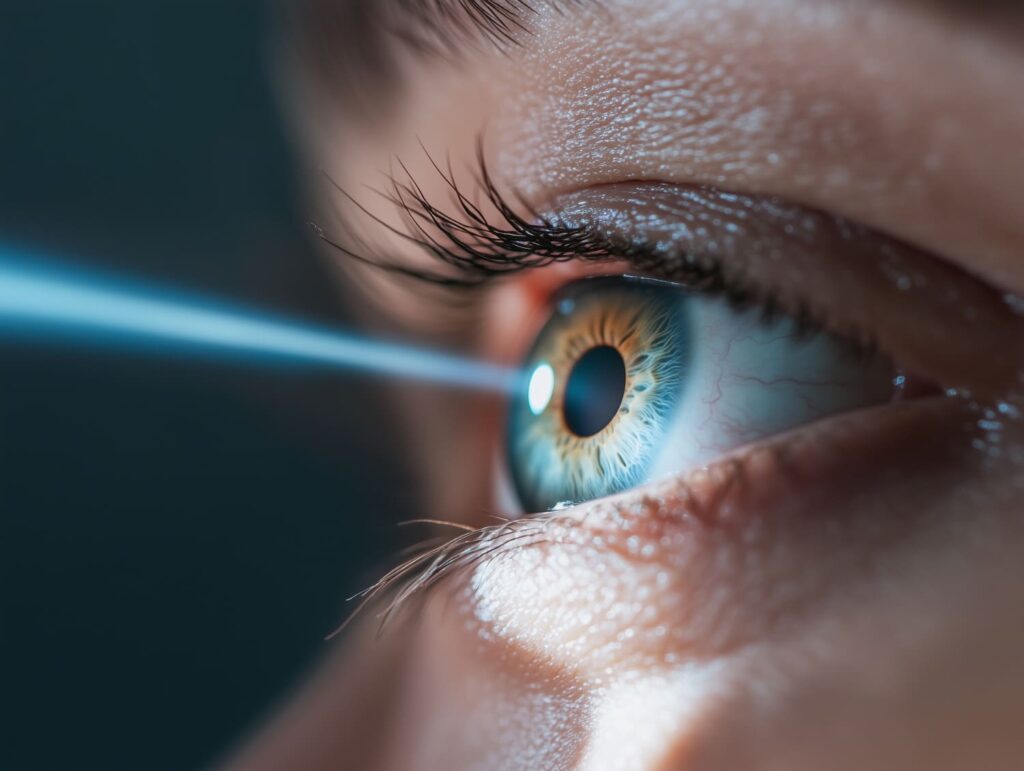
Characteristics and Advantages of Vision Correction Methods
SMILE LASIK surgery is one of the vision improvement methods receiving attention from many patients due to its short procedure time and rapid recovery. It is highly preferred by busy modern people as face washing is possible from the day after the procedure and return to daily activities is possible. However, no matter how fast the recovery is, since it is a procedure that stimulates the cornea, there is a possibility of abnormal reactions occurring to some extent. Today, we will look at symptoms that may appear after SMILE LASIK surgery.
Symptoms That May Appear After Surgery
A representative symptom that appears after vision correction surgery is eye dryness. Nerves related to tear secretion are distributed on the corneal surface, and when these nerves are damaged during the vision correction process, dry symptoms occur. As time passes and the nerves recover, dry symptoms also improve.
SMILE LASIK surgery also causes damage of about 2mm to the corneal surface in the process of removing ablated corneal tissue, which can partially damage nerves and cause dry symptoms. However, since the damage range is smaller compared to other laser vision correction methods, faster recovery can be expected.
Mechanism of Dry Eye Phenomenon
The cornea has a nerve network that maintains the stability of the tear film. When these nerves are temporarily cut during the procedure, the tear secretion control function weakens, causing dryness. However, this is a temporary phenomenon that gradually improves as the nerves regenerate.
Since SMILE LASIK surgery has a small corneal incision range, nerve damage is minimized, so the degree of dry symptoms is mild and recovery is relatively fast compared to other methods. In most cases, symptoms improve between several weeks to several months, and discomfort can be reduced with the use of artificial tears and appropriate care.
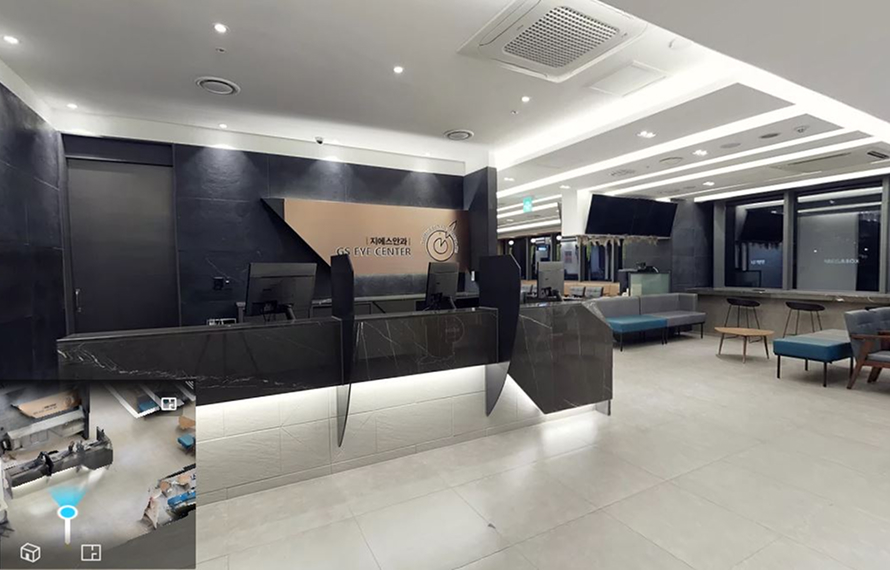
Understanding Blurred Vision Symptoms
Another symptom is the phenomenon of blurred vision after the procedure. However, it is more accurate to view this as a natural phenomenon rather than an abnormal reaction.
Laser vision correction improves vision by irradiating laser on the cornea. In this process, bubbles are formed on the corneal surface, and these bubbles can cause symptoms of somewhat blurred vision immediately after the procedure. Since the bubbles disappear over time, this symptom can also be expected to improve within about 2-4 weeks.
However, if more than 1 month has passed and vision is still blurry or there is a feeling that vision is gradually deteriorating, it is good to receive treatment from an ophthalmologist.
Strategies to Minimize Side Effects
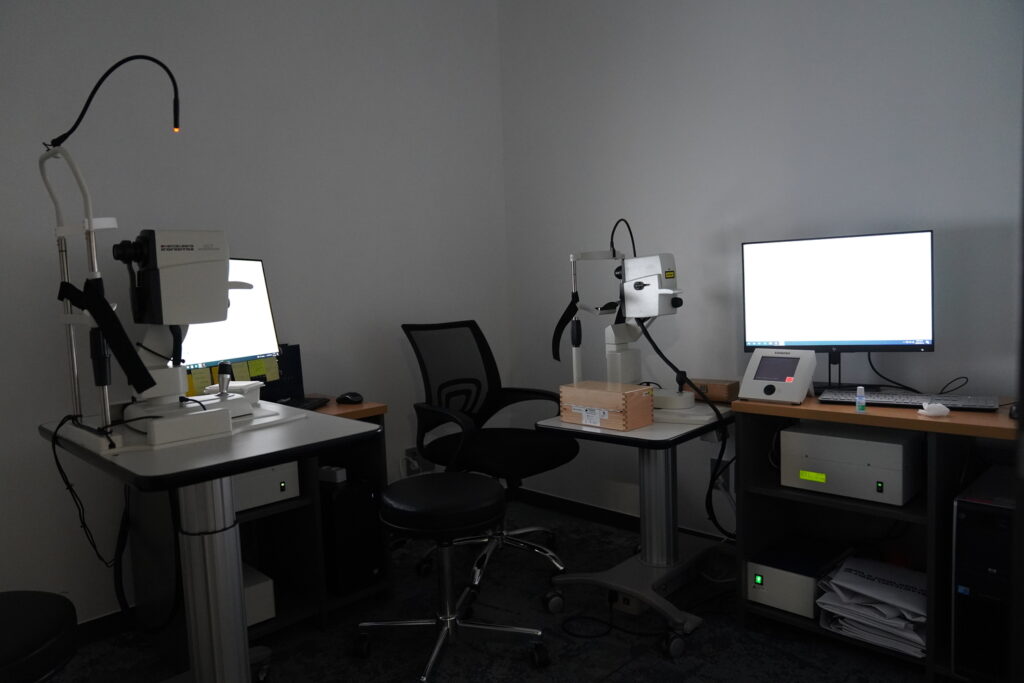
Most symptoms that can occur after SMILE LASIK surgery naturally recover over time. However, for those who want to avoid these symptoms as much as possible due to occupational reasons, etc., it is recommended to correct vision through SMILE Pro, an enhanced version of SMILE LASIK surgery.
SMILE Pro has a shortened laser irradiation time of about 10 seconds, so the contact time between the cornea and air layer is short. Also, laser precision is improved to irradiate uniform energy at uniform positions, making lenticule separation easier. Therefore, the procedure time is shortened, reducing stimulation to the eye and patient burden.
Additionally, with the addition of the Centraline function that detects the center and movement of the eye and automatically corrects it, you can expect higher quality vision clarity after the procedure.
Importance of Selecting Medical Staff
The final method to prevent symptoms after SMILE LASIK surgery is the experience and know-how of the medical staff. In the case of SMILE LASIK surgery and SMILE Pro, the process of removing separated corneal stroma must be performed precisely and rapidly.
An experienced surgeon smoothly separates and removes corneal tissue, speeding up recovery after surgery and minimizing symptom occurrence. Conversely, if experience is lacking, tissue removal may not be clean, delaying recovery or causing symptoms to persist longer.
Therefore, when considering SMILE LASIK surgery, it is important to carefully check the surgeon’s surgical experience, actual number of procedures performed, patient satisfaction, etc. Understanding your eye condition accurately through sufficient consultation and selecting the most appropriate method is the shortcut to obtaining safe and satisfactory results.
Before surgery, corneal thickness, corneal shape, tear secretion, etc., should be confirmed through precise examination, and it should be determined whether SMILE LASIK surgery is suitable for you. Additionally, it is important to continuously monitor recovery status through regular examinations after surgery and take appropriate measures when necessary.
If you would like to know more about SMILE LASIK, please visit our website!
https://www.gseyecenter.com/smile/03/